Thirty years to build it.One chance to sell it right.
Kerf & Company sells founder-owned specialty manufacturers and industrial distributors across the Great Lakes states, with $3 to $25 million of EBITDA. Three partners in Toledo and Grand Rapids. A partner runs every sale, from the opening conversation to the wire.
PracticeSell-side advisory, founder and family owners
OfficesToledo, Ohio Grand Rapids, Michigan
Sheet01 of 07
02How a sale runsSheet 02 of 07
Nine months, most of them quiet.
Owners ask us two things before anything else: how long it takes, and when people find out. Here is a typical sale, month by month. Scroll, or step through it.
Engagement to close, about nine months
Month
01
02
03
04
05
06
07
08
09
Preparation
Buyers approached
Visits and offers
Diligence
Purchase agreement
Close
Behind youStill ahead◆ The month described
Month01
We learn the business.
Two partners spend days at your plant and with your controller. We rebuild five years of numbers the way a buyer will read them.
Your time
Two afternoons and a document list.
Who knows
You and your controller.
Month02
We write the book and the list.
A memorandum on what you make, who buys it and why they stay. A list of about 150 buyers, each picked by name. An outside accounting firm checks the numbers before any buyer sees them.
Your time
Reading drafts.
Who knows
You, your controller, your CPA and your attorney.
Month03
Buyers see a page with no name on it.
A one-page summary goes out without your company’s name. Buyers who want more sign a confidentiality agreement before they learn who you are.
Your time
Almost none.
Who knows
Buyers under a signed agreement. Not your employees or customers.
Month04
Written indications arrive.
Each buyer sends a range of value and how they would pay it. We compare price, terms and what each one plans for your people, then narrow to six or eight.
Your time
One long meeting to choose who goes forward.
Who knows
Unchanged.
Month05
Buyers visit, after hours.
Plant tours and management meetings, set for Saturdays or after second shift so the floor has nothing to wonder about.
Your time
Four to six visits, a half day each.
Who knows
The visiting buyers. Your plant manager, if you choose.
Month06
You choose a letter of intent.
Final offers arrive as letters of intent. We negotiate price, working capital, any earnout, how long you stay and what happens to the name on the building. You sign one.
Your time
A week of decisions.
Who knows
One buyer, now in exclusivity.
Month07
Diligence.
The buyer’s accountants, lawyers, insurers and environmental firm. We run the data room and answer most questions before they reach your desk.
Your time
An hour or two most days.
Who knows
A few senior people, told by you, from a plan we write together.
Month08
The purchase agreement.
Your attorney drafts and negotiates the contract. We work the business points beside them: escrow, indemnity and the working capital number.
Your time
Calls with your attorney and us.
Who knows
Key employees. Two or three customers, late, if the buyer insists.
Month09
Close.
Signatures, the wire, and an announcement to your employees in your own words. We stay on through the closing balance sheet.
Your time
One morning, then the day off.
Who knows
Everyone, on the day you pick.
A typical schedule, not a promise. Some sales close in six months and some take twelve; a slow diligence or a hard season at the plant moves the dates.
03What we sellSheet 03 of 07
Two kinds of company, one region.
We work only on companies that make or move industrial goods. Buyers in these trades know us, and we know which of them pay for a long customer list, a skilled second shift or a clean ISO audit.
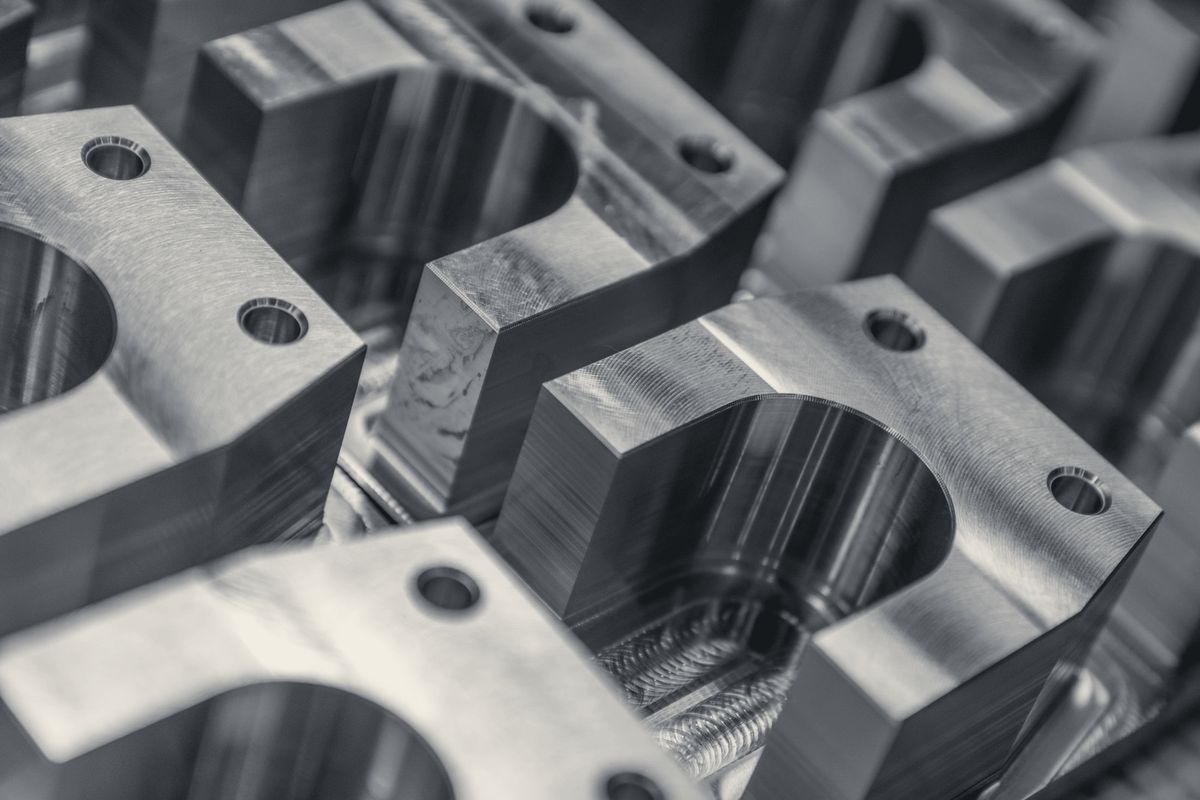
Fig. 2 Machined brackets, before finishing
Specialty manufacturers
Make-to-print and engineered products, often with a few customers who have bought for decades.
M-01Precision machining and turned parts
M-02Metal stamping and fabrication
M-03Plastic injection molding
M-04Castings and forgings
M-05Heat treating, plating and coatings
M-06Engineered components and assemblies
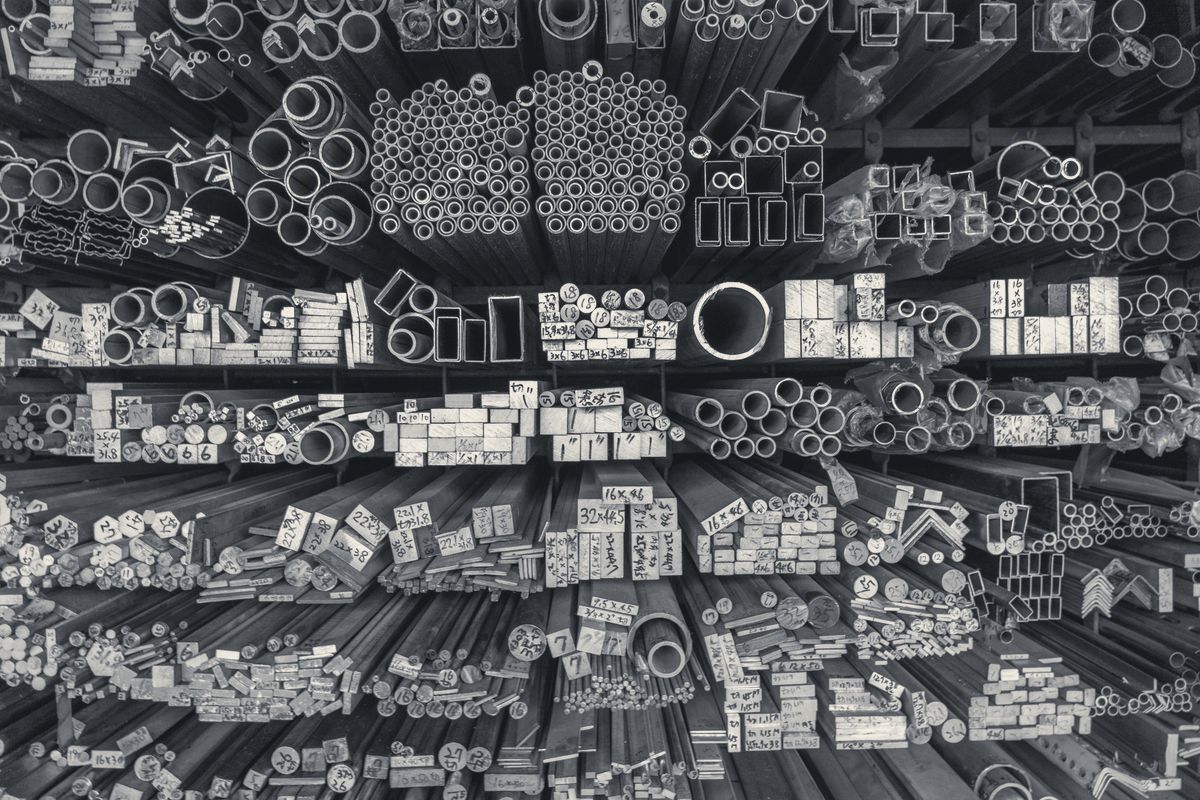
Fig. 3 Bar, tube and pipe, racked by size
Industrial distributors
Branch networks and value-added distributors whose counter people know the customer by name.
D-01Bearings and power transmission
D-02Fasteners and Class C parts
D-03Fluid power and hydraulics
D-04Metals service centers
D-05MRO and safety supply
D-06Electrical and automation
Earnings
$3–25M EBITDASmaller if the business is unusually good. We will say so if it isn’t ready.
Ownership
Founder or familyOwners selling a company they built or inherited, usually once in their lives.
Geography
The Great Lakes statesOhio, Michigan, Indiana and Wisconsin, plus northern Illinois and western Pennsylvania.
Transactions
Sales and recapsOutright sales, majority recapitalizations, and sales to family or management when that fits.
04Recent engagementsSheet 04 of 07
Companies we have sold.
We don’t publish names or terms.
OhioPrecision turned-parts maker, second generation, serving hydraulic and medical customers.Sold to a family-owned strategic buyer.2025
MichiganFluid power distributor with five branches across the lower peninsula.Majority recapitalization; the founder kept a stake.2025
IndianaHeat-treating and coatings plant running three shifts for automotive suppliers.Sold to a regional competitor.2024
WisconsinFastener and Class C parts distributor with vendor-managed bins at 300 plants.Sold to a national distributor.2024
OhioMetal stamping company supplying agricultural equipment makers.Sold to a private equity–backed manufacturer.2023
Selected engagements. Not a complete list.
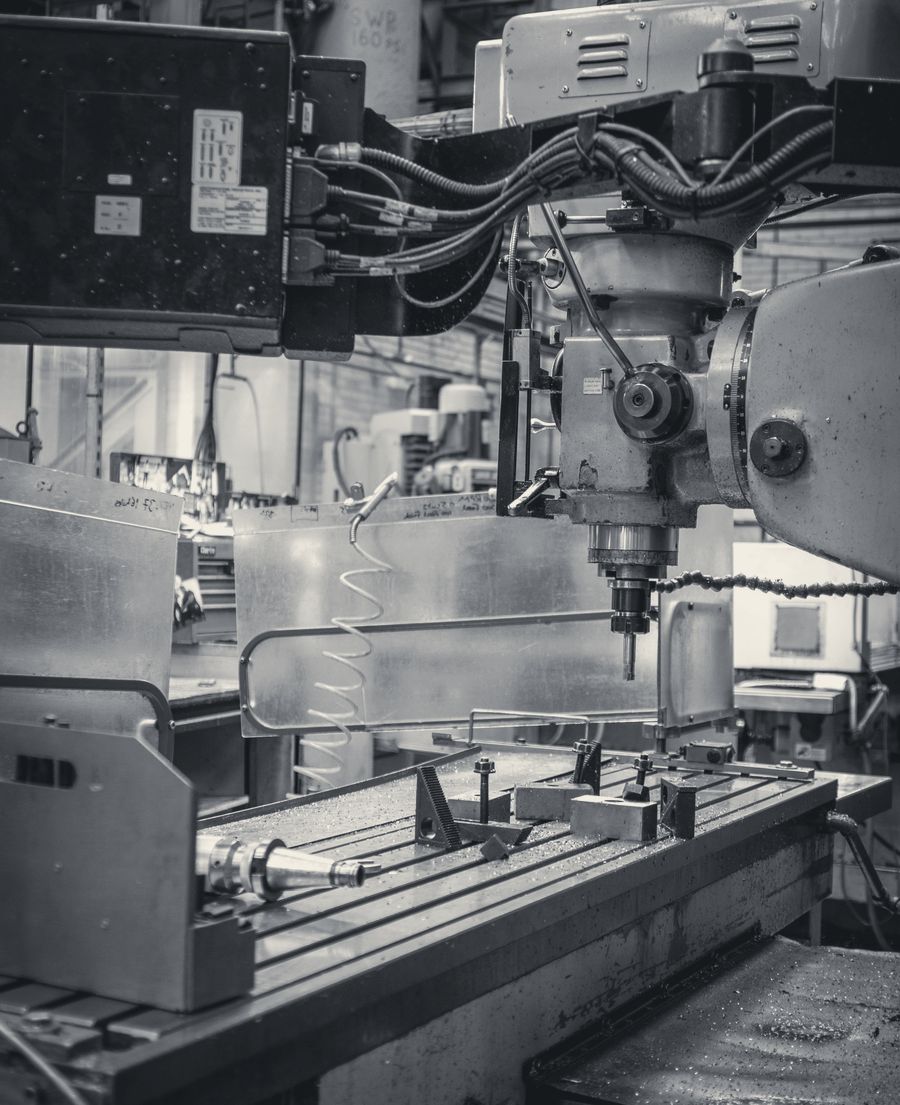
Fig. 4 A knee mill, still in daily use
05How we workSheet 05 of 07
What you can hold us to.
A partner runs your sale.
The partner who meets you is the one on every buyer call, and the one whose cell phone you have. There is no hand-off to a junior team.
Four sales at a time, at most.
A sale takes weeks of a partner’s time. We turn down work to keep it that way.
We will tell you if it’s early.
Sometimes the right advice is two more years of clean numbers, or a successor in place before buyers meet the team. We say so, and we stay in touch.
One page on fees, before we start.
A modest monthly retainer, credited against a success fee paid at closing. The engagement letter fits on one page and your attorney reads it before you sign.
06PartnersSheet 06 of 07
Three partners. Two have lived a sale from inside the company.
Between us we have taken a plant’s finances through a sale, bought fourteen companies for a distributor and run sell-side processes for twenty years.
EV
Ellen Vanderploeg
Partner · Grand Rapids
Twelve years as CFO of a family-owned injection molder in west Michigan, through its sale to a strategic buyer. She knows diligence from the seller’s side of the table. Ellen leads preparation and the numbers.
TH
Tom Halloran
Partner · Toledo
A sell-side banker since 2006, at a Cleveland middle-market firm and then on his own. Tom builds the buyer list, runs the process and negotiates the letter of intent.
GS
Greg Szymanski
Partner · Toledo
Ran corporate development for an industrial distributor in Milwaukee and bought fourteen companies for it. Greg knows what buyers look for because he was one, and he leads our distribution work.
On the name. A kerf is the slot a saw blade leaves. A good machinist allows for it before cutting, because a cut cannot be taken back. We plan a sale the same way.
07For CPAs and attorneys
When you send us a client.
You knew the owner long before we did, and you will know them after the sale. We work like it.
So you hear what we plan to say, and can tell us what we should know.
You stay on the deal.
If you are the attorney, you draft the purchase agreement. If you are the CPA, you see the numbers before any buyer does. We don’t bring in our own people to replace you.
You see what we see.
With your client’s consent, copies of the memorandum and of every letter of intent, as they arrive.
We say so when it isn’t time.
If the business isn’t ready to sell, we tell the owner and you, in writing, with what would change our view.
Talk privately
Start with a conversation that commits you to nothing.
Most owners talk to us a year or two before they sell. A partner will come to your plant, or meet you somewhere quieter. Nobody needs to know why you’re having lunch.